
Taming the Clay: Your Guide to Thriving Gardens in Waterloo's Soil
Living in the Waterloo Region offers a beautiful backdrop for creating a stunning home landscape. But as many local gardeners know, beneath that lush green potential lies a significant challenge: heavy clay soil. If you've ever struggled with plants that seem to drown after a heavy rain, or soil that bakes into a concrete-hard surface during a dry spell, you're not alone. That dense, sticky soil can be tough to work with, making it difficult for plant roots to get the air and water they need to flourish.
But here’s the good news: clay soil is also incredibly rich in nutrients. With the right knowledge and techniques, you can transform this challenge into a foundation for a vibrant, healthy garden. This guide will walk you through the essentials of mastering your clay soil, from improving its structure to choosing the right plants and implementing a proper maintenance routine. Let's dig in and unlock the potential of your property.
Why Clay Soil Can Be a Gardener's Biggest Hurdle
Before we get to the solutions, it helps to understand what makes clay soil so unique. Soil is made up of different-sized particles: sand (the largest), silt, and clay (the smallest). Our local soil in the KW area is dominated by those tiny clay particles.
When they are wet, these particles pack together tightly, squeezing out the air pockets that roots need to breathe. This leads to poor drainage, which is a primary cause of root rot and plant failure. In the spring, this dense soil is slow to warm up, potentially delaying plant growth.
Then, during the hot, dry weeks of summer, the reverse happens. The soil loses its moisture and can shrink, crack, and become almost impenetrable to water. This makes it difficult for your plants to get the hydration they need, even when you are watering regularly. Understanding these properties is the first step toward working with your soil, not against it.
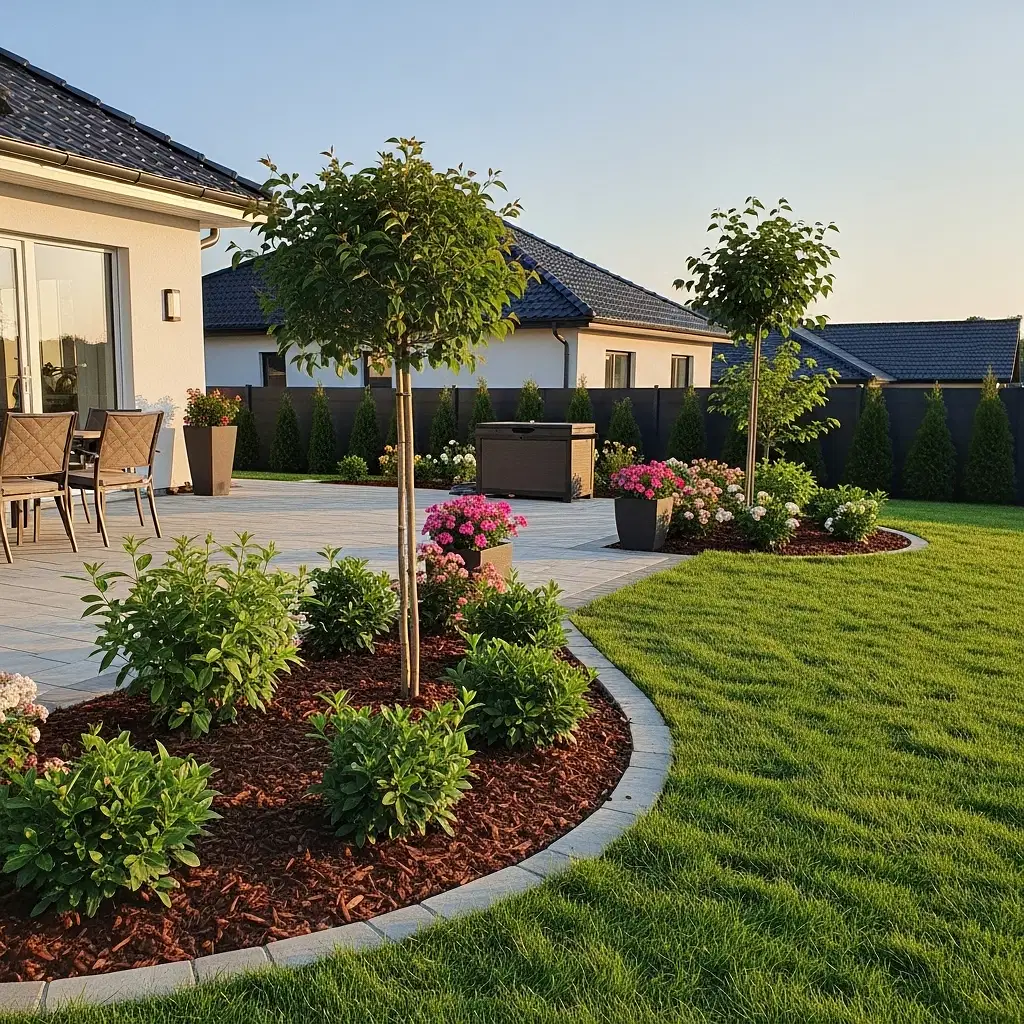
The Secret to Success: Amending and Aerating Your Soil
The single most effective thing you can do to improve heavy clay is to introduce organic matter. Amending your soil isn't a one-time fix but an ongoing process that pays huge dividends.
- Compost is King: Regularly adding high-quality compost, aged manure, or leaf mold is the best way to improve soil structure. These materials force the tiny clay particles to clump together into larger aggregates, creating crucial air channels for oxygen and water to flow. This process improves drainage, prevents compaction, and makes the soil much easier to work with.
- Avoid the Sand Myth: A common misconception is that adding sand will lighten clay soil. Unfortunately, this often has the opposite effect, creating a substance similar to concrete. Stick to organic materials for the best results.
- Consider Raised Beds: For vegetable gardens or specific flower beds, building raised beds can be a fantastic solution. This allows you to fill them with a perfectly balanced soil mix from the start, giving you complete control over the growing environment.
By focusing on building a rich, living soil, you create a foundation where plants don't just survive—they thrive.
Plant Smarter, Not Harder: Best Plants for Clay Soil
While improving your soil is crucial, selecting plants that are naturally adapted to heavier conditions sets you up for long-term success. Fighting to keep a plant alive in a spot it hates is a frustrating battle. Instead, embrace plants that are known to perform well in clay.
Many beautiful native Ontario plants have evolved to handle these exact conditions. They offer the added benefits of being low-maintenance and supporting local pollinators. Here are a few reliable choices for our climate:
- Perennials: Black-eyed Susan (Rudbeckia), Purple Coneflower (Echinacea), Hostas, Daylilies, and ornamental grasses like Switchgrass are all robust performers.
- Shrubs: Varieties of Dogwood, Serviceberry, and Viburnum are excellent choices that provide multi-season interest.
- Trees: Native trees like Red Maple, White Birch, and Freeman Maple are well-suited to the challenges of clay soil.
A professional garden installation can help you design a layout with the perfect combination of plants that will not only tolerate your soil but look beautiful year-round.
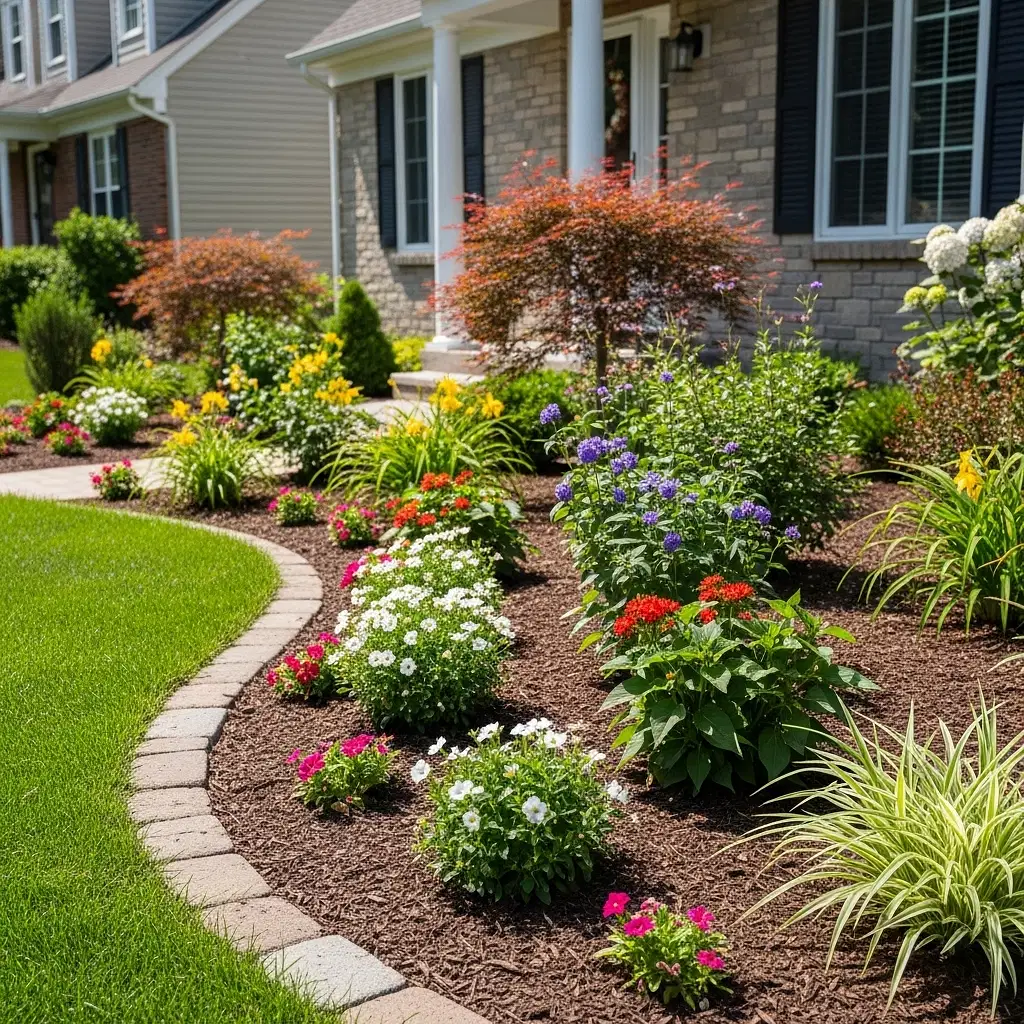
Long-Term Care: Essential Maintenance for Clay Soil Gardens
Once your garden is established, a consistent maintenance routine is key to keeping it healthy. Clay soil requires a slightly different approach to watering and care.
- Mulch Generously: Applying a 2-3 inch layer of natural mulch (like shredded bark or wood chips) is one of the best things you can do. Mulch helps retain soil moisture during dry spells, prevents the soil surface from crusting over, suppresses weeds, and slowly breaks down to add more of that vital organic matter.
- Water Deeply and Infrequently: Instead of light, daily sprinklings, water your garden beds deeply once or twice a week. This encourages plant roots to grow deeper into the soil, making them more resilient to drought. This practice also aligns perfectly with The Region's water conservation guidelines.
- Seasonal Cleanups: Proper spring and fall cleanups are vital. In spring, we clear away winter debris and apply a fresh layer of mulch. In the fall, cutting back perennials and removing diseased foliage prevents issues from overwintering.
Consistent, knowledgeable garden maintenance ensures your landscape remains a source of pride and enjoyment, not a chore.
Create Your Backyard Oasis, Clay and All
While Waterloo's clay soil presents some unique hurdles, it's far from a gardening deal-breaker. By understanding its properties, consistently adding organic matter, choosing clay-tolerant plants, and following smart maintenance practices, you can cultivate a stunning and resilient landscape. The key is to work with nature, building a healthy soil ecosystem that will support your garden for years to come.
Feeling overwhelmed by the prospect of amending soil or just want to reclaim your weekends? The team at Top Notch Landscape & Construction is here to help. We specialize in all aspects of residential landscaping in the Waterloo Region, from thoughtful garden installation to comprehensive garden maintenance programs. We have the local expertise to make your landscape thrive. Contact us today for a consultation and let's build the beautiful, low-maintenance garden you've always wanted.