
Protecting Commercial Turf from Salt Damage: A Winter Guide
Winter brings a unique set of challenges for property managers and business owners. As the temperatures drop and the first flurries start to fall across Embro and the surrounding areas, the immediate priority naturally shifts to safety. Keeping parking lots clear and walkways free of ice is essential to protect your customers, employees, and your business from liability. However, the very methods we use to maintain that safety can wreak havoc on the investments you've made in your property's appearance.
For many landscaping companies, the transition from summer turf care to winter ice management is a massive logistical pivot. It requires completely different equipment, techniques, and planning. During this chaotic seasonal shift, the health of your grass often becomes an afterthought. But what happens when the snow melts? Too often, businesses are left with brown, dead patches lining their concrete walkways and parking lots—a direct result of heavy road salt application.
Figuring out how to protect commercial turf from road salt doesn't start in the spring; it begins before the first snowfall. By understanding how salt interacts with your soil and implementing proactive strategies with a reliable contractor, you can maintain a safe property in the winter while ensuring a lush, green welcome for your clients when the warm weather returns.

How Road Salt Harms Your Grass
To effectively combat the problem, it helps to understand exactly what is happening beneath the snow. When sodium chloride (standard road salt) dissolves into melting snow and ice, the resulting saltwater runoff eventually finds its way into your soil.
Once in the soil, salt goes to work drawing moisture away from the plant roots. This creates a condition often referred to as "physiological drought." Even if the ground is saturated with melting snow, the roots are essentially starved of hydration. Furthermore, a buildup of sodium ions can prevent the grass from absorbing essential nutrients like potassium and magnesium, which are vital for healthy growth. Above ground, salt spray kicked up by passing vehicles or snowplows can settle directly on the grass blades, causing contact burn that turns the edges crisp and brown.
Preventing winter salt damage on lawn edges is heavily dependent on identifying the vulnerable zones of your property. The strips of grass immediately adjacent to busy roads, sloped driveways, and heavy pedestrian walkways take the brunt of the abuse. Without intervention, these areas will require extensive, costly rehabilitation year after year, eating into your maintenance budget and diminishing the quality of your landscape.
Strategic Planning and Prevention
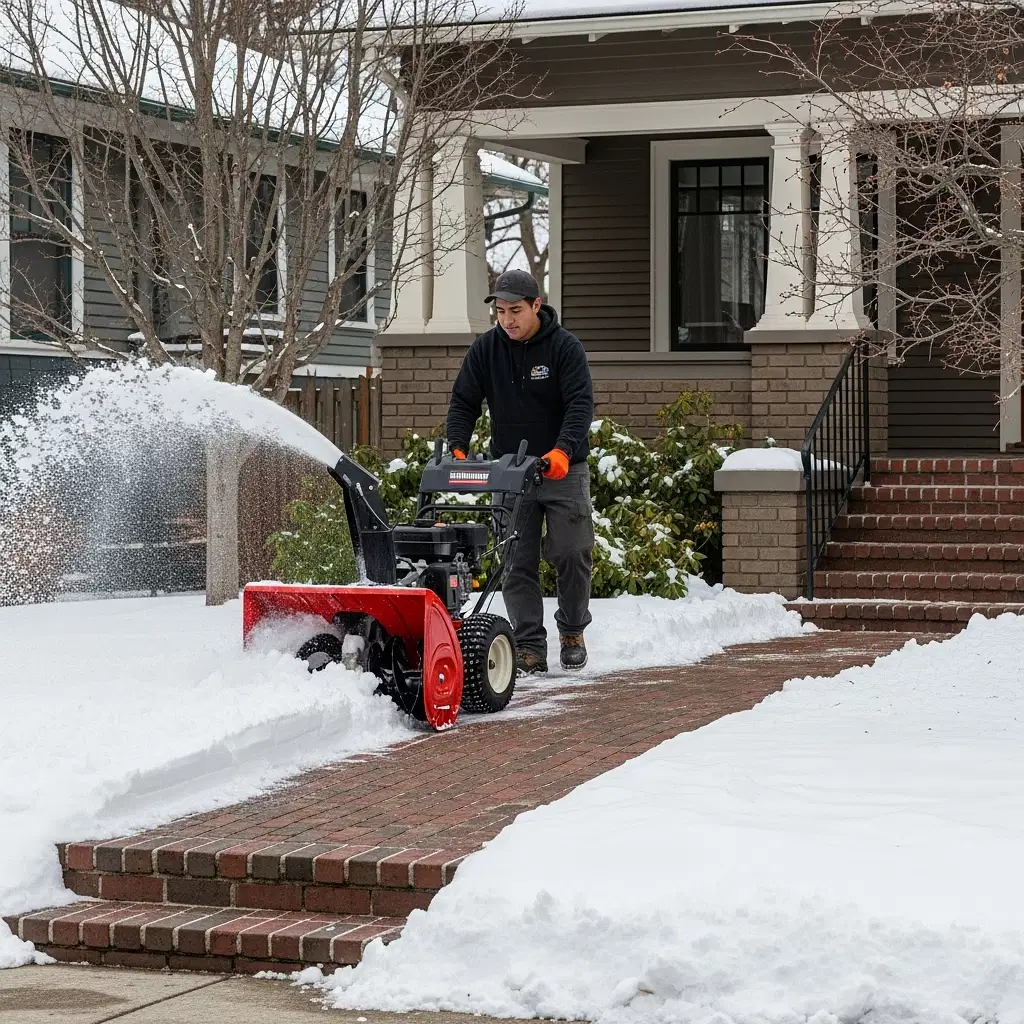
The most effective way to manage salt damage is to control where the snow and ice go in the first place. This requires a proactive approach and a clear line of communication with your maintenance team.
One of the most critical steps in winter site planning is determining proper commercial snow stacking locations to protect grass. Piling heavily salted snow directly onto your lawn guarantees a highly concentrated dose of sodium when that pile begins to melt. Instead, work with your Commercial Snow Removal & Ice Control provider to identify safe stacking zones. Ideal locations are low-traffic paved areas, designated drainage zones, or areas equipped with proper catch basins that direct runoff away from your landscaping.
Additionally, employing physical barriers can make a significant difference. Burlap screens or temporary snow fencing installed along highly trafficked walkways can shield turf from direct salt spray.
It is also worth discussing the types of de-icing agents being used. While traditional rock salt is common, modern landscaping services often incorporate eco-friendly alternatives or calibrated spreading technology that applies exactly the right amount of product to ensure safety without oversaturating the environment. Precision application limits unnecessary bounce and scatter, keeping the ice melter on the pavement where it belongs, rather than in your garden beds.
Spring Recovery and Ongoing Maintenance
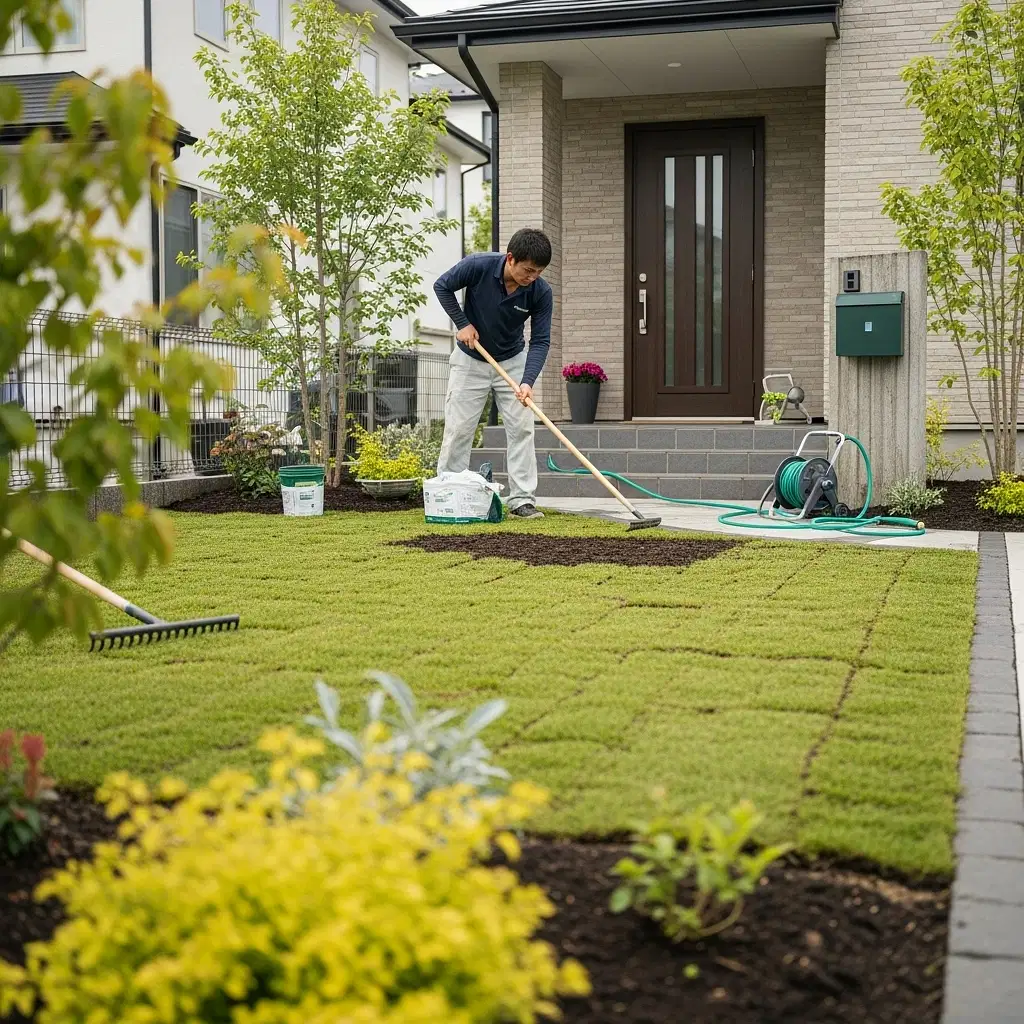
Even with the best preventative measures, harsh winters can still take a toll. When the snow finally retreats, a rapid response can mitigate the lingering effects of winter chemicals. The first step in spring recovery is a thorough flushing of the soil. Heavy watering in the affected areas helps to dilute the remaining sodium and push it below the root zone where it can no longer harm the grass.
Following the flush, professional core aeration is highly recommended. Aeration relieves the soil compaction caused by heavy snow piles and winter foot traffic, allowing water, oxygen, and nutrients to reach the root system. This is an excellent time to apply a gypsum soil amendment, which specifically helps to displace sodium from the soil structure.
To fill in any spots that did suffer die-back, overseeding with salt-tolerant grass varieties can build resilience into your turf for the years to come. By wrapping these recovery steps into comprehensive Commercial Lawn Maintenance, you ensure that your property transitions seamlessly from winter survival mode back to summer vibrancy. Staying ahead of these seasonal fluctuations means your business always looks professional, well-cared for, and inviting.
Keep Your Property Looking Top Notch
Balancing winter liability with summer aesthetics is a challenge that requires expertise, careful planning, and reliable execution. You shouldn't have to choose between a safe parking lot in January and a beautiful green lawn in June. By partnering with a team that understands the local climate and the science behind soil health, you can protect your property year-round.
Whether you need proactive planning for the snowy months or expert care to restore your property's curb appeal in the spring, Top Notch Landscape & Construction is here to help. We offer a full suite of services for businesses across the Stratford area, including Commercial Snow Removal & Ice Control, Commercial Lawn Maintenance, Hardscaping, and Garden Installation.
Ready to safeguard your property's landscape? Contact us today to discuss your commercial property needs and discover how our dedicated team can keep your business looking its best through every season.