
Installing Resilient Perennial Beds This Fall: Your Guide to a Beautiful Spring Garden
As the intense summer heat begins to fade, many homeowners mistakenly believe that the gardening season is drawing to a close. However, autumn is actually one of the most critical and rewarding times to invest in your property's outdoor spaces. For residents in the K-W region, shifting focus from summer maintenance to fall planting can make all the difference between a lackluster yard and a vibrant, thriving landscape next year.
We often hear questions about the best perennials to plant in late summer and how to prepare garden beds for fall planting. The truth is, taking advantage of the cooler temperatures right now gives your plants a significant head start. At Top Notch Landscape & Construction, we specialize in creating sustainable, beautiful outdoor environments that endure our unique local climate. Whether you are looking to revitalize a mature property or design something entirely new, installing resilient perennial beds this fall is a strategic move that pays incredible dividends when the snow finally melts.
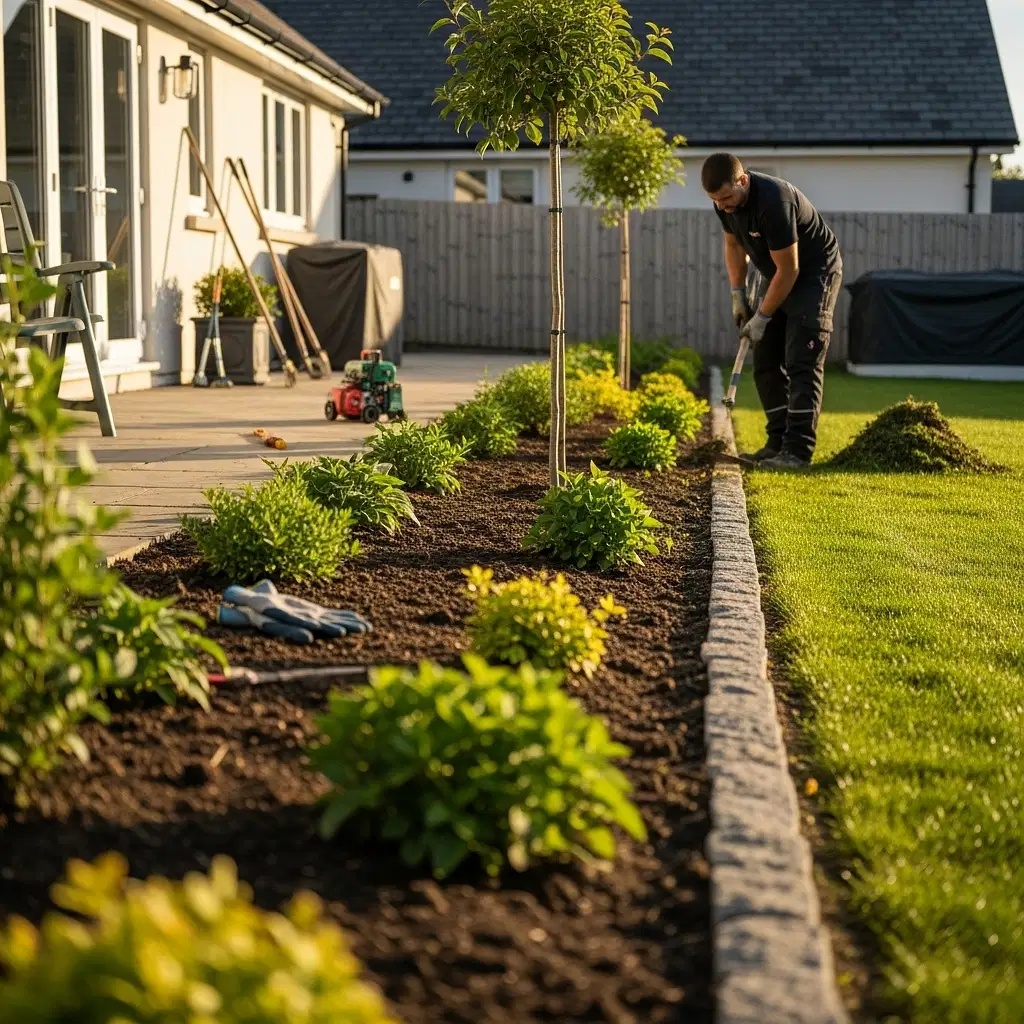
Why Autumn is the Ideal Time for Garden Installation
One of the most common questions we receive is about the timing of landscaping projects. Many people assume spring is the only time to plant, but fall offers several distinct advantages for garden installation.
During September and October, the soil retains the warmth it absorbed throughout the summer, while the ambient air temperatures begin to cool. This creates the perfect environment for root growth. When perennials are planted in the fall, they are not forced to immediately direct their energy into producing foliage and blooms to survive scorching temperatures. Instead, they can focus entirely on establishing a deep, robust root system.
By the time winter arrives, these plants are securely anchored and prepared for dormancy. When spring rolls around, they wake up already established and ready to flourish, vastly outperforming plants that are newly installed in May. Furthermore, fall usually brings more consistent rainfall, which reduces the amount of supplemental watering required to keep new transplants happy—a helpful bonus when navigating local water conservation efforts.
Selecting the Right Plants for Our Soil
Choosing the right plants is just as important as knowing when to plant them. One of the biggest challenges homeowners face locally is dealing with heavy Waterloo clay. This dense soil type holds moisture tightly and can be difficult for delicate root systems to penetrate.
To ensure your new garden thrives, it is essential to select native and adaptive plants that naturally tolerate these conditions. Some of the best perennials to plant in late summer for clay-heavy soil include Black-Eyed Susans, Purple Coneflower, and dense blazing star. These native varieties not only withstand tough soil and harsh winters, but they also require less watering once established, aligning perfectly with eco-friendly landscaping practices.
When we consult with homeowners, we prioritize transparent planning and material selection. We know that material costs and plant survival rates can be a source of stress, which is why we provide clear, detailed estimates and discuss exactly how our plant choices protect your investment. Choosing native species reduces the need for chemical fertilizers and excessive watering, giving you a beautiful, low-maintenance garden.
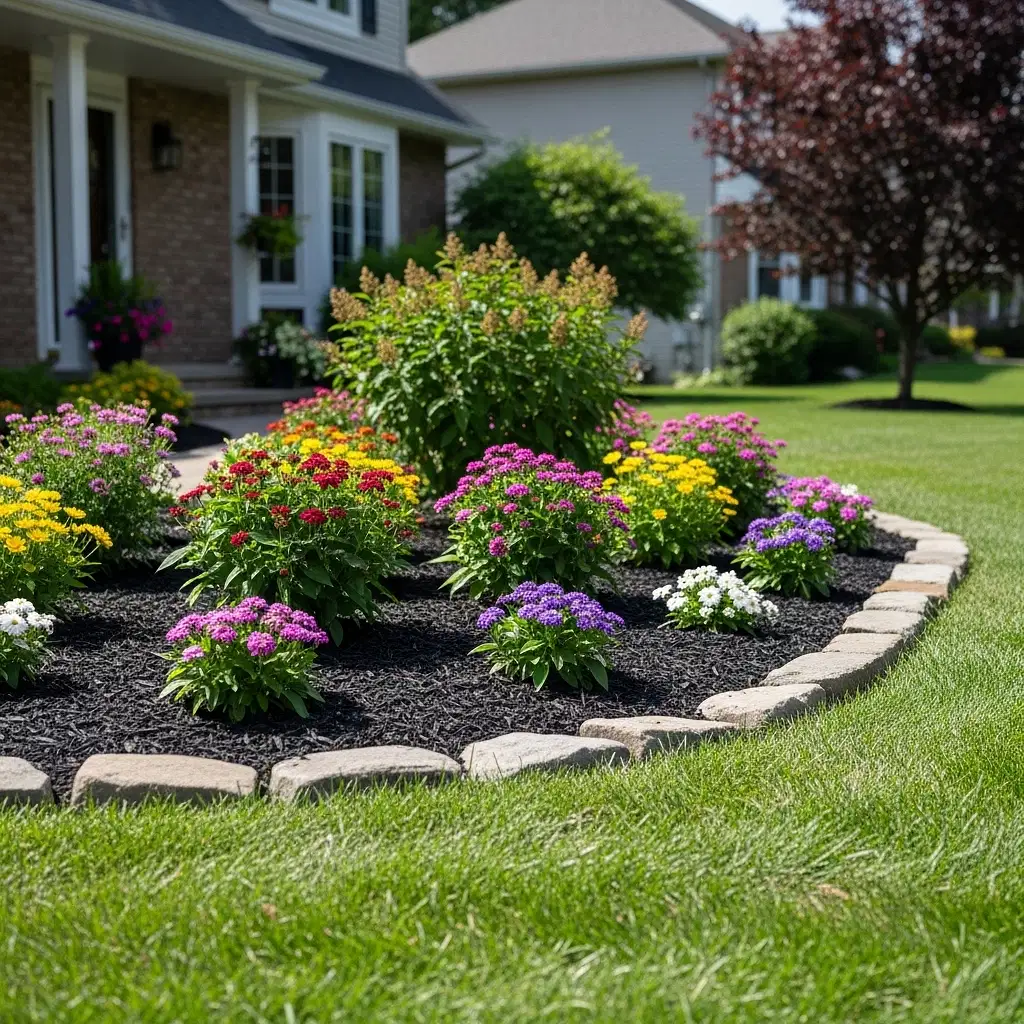
Preparing Your Beds and Protecting the Garden
For homeowners in established neighborhoods like Beechwood, gardens often feature a mix of old, mature shrubs and newly planted perennials. A common concern is how to prepare garden beds for fall planting without disturbing existing plants, and how to protect those delicate shrubs during our harsh winters.
Proper preparation is the foundation of a resilient garden. Our process begins with carefully evaluating the existing landscape. We amend the heavy clay with rich, organic compost to improve drainage and aeration. This gives new roots the oxygen and nutrients they need to spread.
Once the plants are in the ground, applying a thick layer of high-quality organic mulch is crucial. Mulch acts as an insulating blanket, regulating soil temperature to prevent the freeze-thaw cycles that can heave new plants out of the ground. It also helps retain moisture and suppresses early spring weeds.
For delicate shrubs and vulnerable perennials, winterization is key. We strategically use burlap wrapping and natural windbreaks to protect plants from drying winter winds and heavy snow loads. Taking these proactive steps ensures that your investment survives the freeze and emerges healthy.
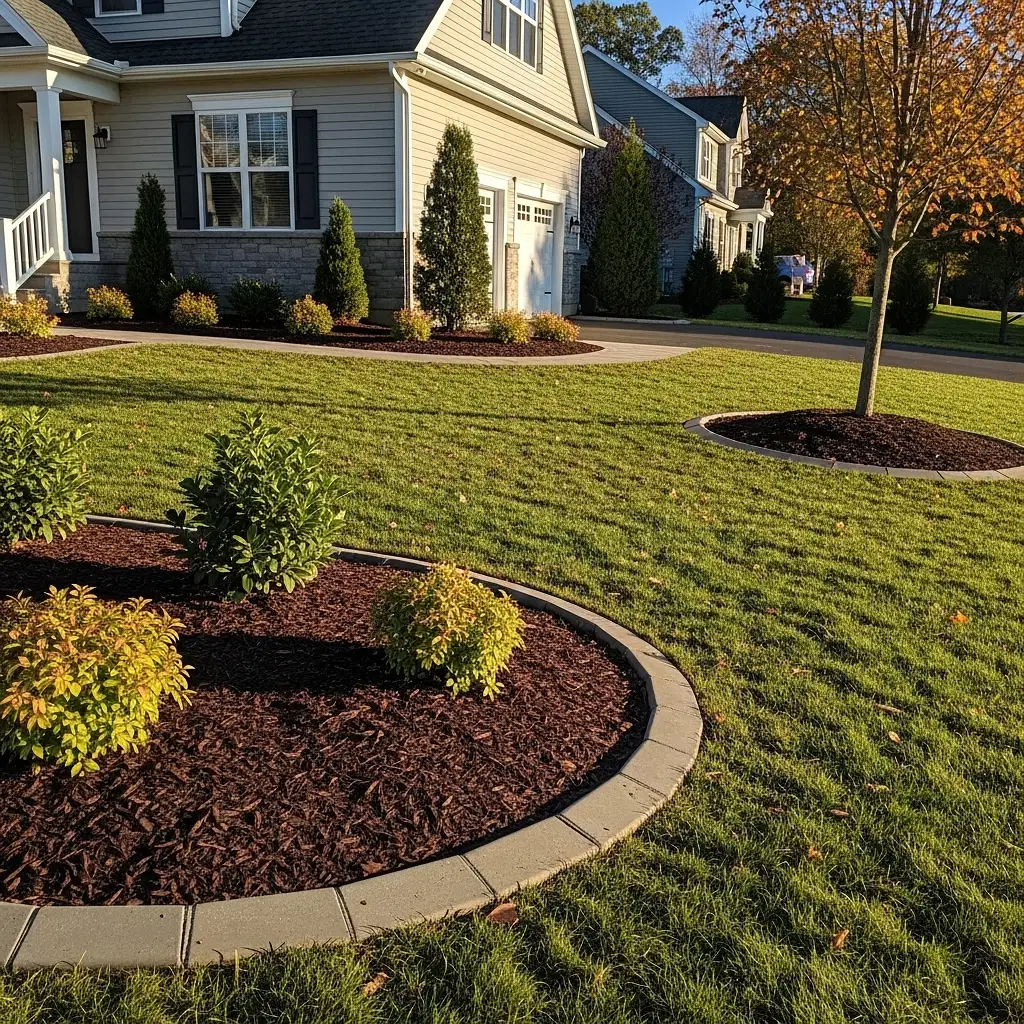
The Value of Professional Residential Landscaping
Creating a stunning, long-lasting outdoor space requires more than just a quick trip to a garden center. It requires a deep understanding of local climates, soil compositions, and architectural flow. DIY solutions might seem appealing, but they often lack the customized design, horticultural expertise, and warranties that professional residential landscaping provides.
Our clients value reliability, punctuality, and clear communication. Because our active season is short, beating the rush and getting your beds installed before the frost is critical. When you work with Top Notch Landscape & Construction, you are partnering with fully insured, WSIB-compliant professionals who stand behind their work. We design outdoor living spaces that not only look beautiful but function seamlessly with your lifestyle and property needs.
If you are ready to transform your property with custom flower beds that will wow your neighbors come spring, now is the time to act. Our team is ready to bring your vision to life across the Tri-Cities. Reach out through our contact us page today to schedule a consultation and secure your fall installation.