
Identifying and Treating Lawn Grub Damage to Save Your Yard
There is nothing quite like enjoying a warm, breezy afternoon in your own backyard oasis. After the long winter months, residents across The Region pour their time and energy into creating lush, inviting outdoor living spaces. Unfortunately, that picture-perfect green space can quickly turn into a source of immense frustration when mysterious brown patches begin to appear and multiply. If you have noticed that your once-vibrant turf is starting to look unhealthy, or if local wildlife suddenly seems very interested in digging up your grass, you might be dealing with a hidden pest right beneath the surface: white grubs.
Grubs are one of the most destructive lawn pests in Southwestern Ontario. They feed aggressively on the root systems of your grass, severing the plant from its vital water and nutrient supply. Left unchecked, a minor infestation can devastate an entire property in a matter of weeks. As a property owner, your time is incredibly valuable, and spending your precious weekends battling a dying lawn is the last thing you want to do. Understanding how to recognize the early warning signs of these pests and knowing exactly how to treat them can mean the difference between a minor setback and a complete lawn replacement. Let us walk through the process of diagnosing the problem, addressing the infestation effectively, and restoring your yard's curb appeal.
How to Identify White Grub Lawn Damage
Knowing how to identify white grub lawn damage early is essential for saving your turf. White grubs are the larval stage of several different types of beetles, most commonly the European Chafer and the Japanese Beetle. During the late summer and early fall, these beetles lay their eggs in the soil. When the eggs hatch, the ravenous larvae begin feeding immediately on the roots of your grass.
The first symptom you will likely notice is the appearance of irregular, drought-like patches of yellowing or browning grass. Because the grubs are eating the roots, the grass blades above ground can no longer absorb moisture from the heavy clay soil common in our local neighborhoods. If you water your lawn thoroughly but these brown spots fail to green up, it is time to investigate further.
The most definitive test for grub damage is the 'tug test.' Because the root system has been destroyed, the damaged grass will no longer be anchored to the earth. If you grab a handful of the brown grass and give it a gentle pull, it will easily lift or roll back like a piece of loose carpet, revealing the white, C-shaped larvae resting in the soil below.
Another major indicator of a grub problem is increased animal activity. Skunks, raccoons, and birds consider white grubs a delicacy. If you wake up to find your turf torn to shreds, with small holes and divots scattered across the property, it is highly likely that local wildlife spent the night foraging for a grub dinner in your yard.
Navigating Late Summer Grub Treatment for Lawns
Timing is the most critical factor when it comes to controlling these pests. The most effective window for late summer grub treatment for lawns is typically from mid-August to late September. During this period, the newly hatched grubs are still small, actively feeding near the soil surface, and highly vulnerable to treatments.
Navigating pest control in Ontario requires a deep understanding of local regulations, particularly the province's strict cosmetic pesticide ban. Traditional chemical pesticides are no longer permitted for cosmetic lawn care, which means property owners must rely on safe, eco-friendly, and biologically sustainable methods. The most effective and popular natural solution is the application of beneficial nematodes. Nematodes are microscopic, naturally occurring soil organisms that actively hunt and destroy white grubs without harming your grass, your family, or your pets.
Applying nematodes requires precision and care. They are living organisms that are sensitive to light and heat, so they are typically applied on overcast days or in the evening. Furthermore, nematodes need a moist environment to travel through the soil and reach their targets. This means the treated area must be watered thoroughly before and after application. When executing this treatment, it is important to be mindful of local municipal water restrictions. Coordinating your watering schedule to comply with regional bylaws while ensuring the nematodes survive is a delicate balance, making professional expertise incredibly valuable.
Repairing Turf Damage from Grubs and Preventing Future Issues
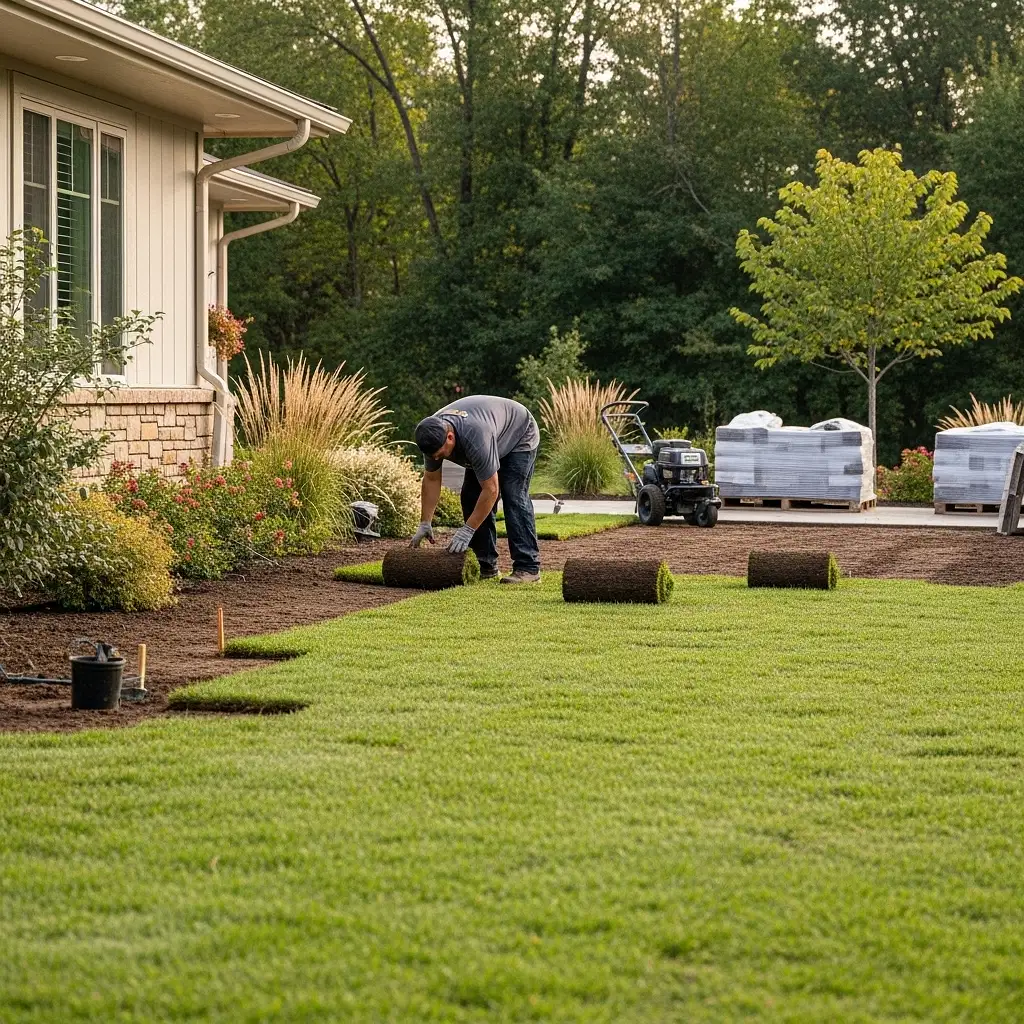
Once the infestation has been successfully treated, the work of repairing turf damage from grubs begins. The dead patches of grass will not magically recover on their own, and the soil beneath them is often compacted and depleted of nutrients. Restoring the health and beauty of your property requires a comprehensive approach to turf management.
To give your surviving grass the best possible chance to spread and recover, we highly recommend professional aerating. Core aeration involves removing small plugs of soil from the ground. This process relieves the soil compaction that is so common in our region's heavy clay, allowing essential oxygen, water, and nutrients to penetrate deeply into the root zone. A well-aerated lawn encourages robust, deep root development, making the grass naturally more resilient against future pest attacks and drought conditions.
Following aeration, proper fertilizing is the next vital step. Applying a high-quality, slow-release fertilizer provides the essential nutrients your turf needs to rebuild its strength and density. A thick, vigorously growing lawn is your absolute best defense against future infestations, as beetles strongly prefer to lay their eggs in thin, sparse, or weakened grass. By investing in consistent, professional residential lawn maintenance, you take the guesswork out of yard care. Regular monitoring, precise nutrient management, and timely interventions keep your outdoor spaces looking pristine all season long, allowing you to simply relax and enjoy your property.
Let Top Notch Landscape & Construction Restore Your Lawn
Dealing with a grub infestation can feel overwhelming, especially when you are balancing a busy career and family life. You shouldn't have to spend your valuable free time deciphering soil conditions, wrestling with nematode applications, or trying to revive dead patches of grass. At Top Notch Landscape & Construction, we pride ourselves on delivering reliable, detail-oriented service that takes the stress out of property management.
If you suspect grubs are damaging your yard, or if you simply want to establish a lush, healthy turf that enhances your property's curb appeal, we are here to help. Our team understands the unique climate, soil, and regulatory landscape of Waterloo and the surrounding communities. Reach out to us today to schedule an assessment or to learn more about our comprehensive lawn maintenance packages. Let us do the heavy lifting so you can reclaim your weekends and enjoy a beautiful, thriving outdoor space.